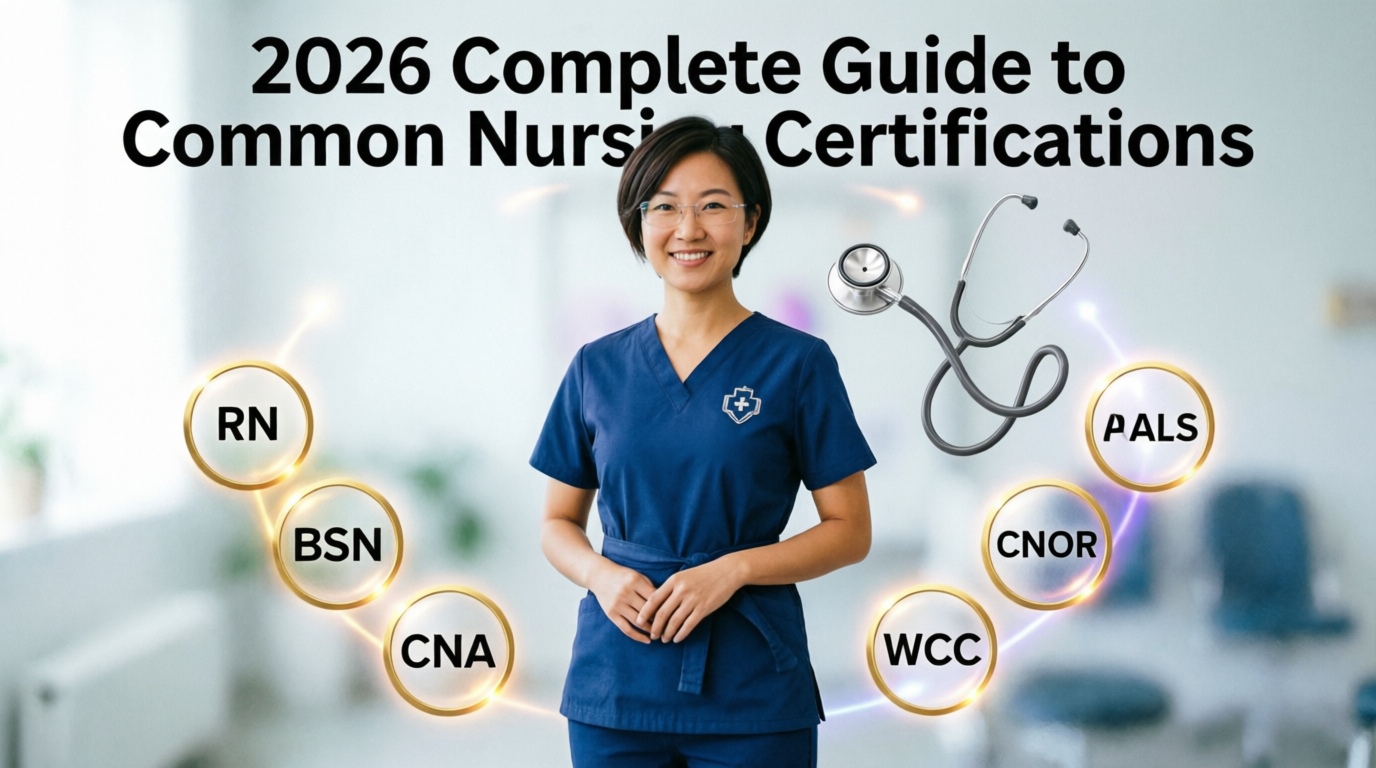


Complete List of Common Nursing Certifications: A 2026 Guide
Explore the complete list of common nursing certifications, including CCRN, CEN, CPN, OCN, CNOR, and more. Learn what each certification covers and how to choose the right one for your nursing career.
Quality Improvement in Nursing: A Student’s Guide to Enhancing Patient Safety, Improving Healthcare Outcomes, Reducing Medical Errors, Applying Evidence-Based Practices, Strengthening Clinical Skills, Promoting Effective Teamwork, Measuring Care Quality, Supporting Patient-Centered Care, Understanding Improvement Strategies, Building Professional Nursing Competence, and Creating Safer, More Efficient, Reliable, and High-Quality Healthcare Environments for Better Patient Care and Improved Nursing Practice Every Day

Explore 10 top-accredited nursing programs for 2026. Compare traditional BSN, ABSN, and RN-to-BSN paths at schools like UPenn, UW, Rutgers, and Iowa to find your best fit.
Discover Trauma-Informed Care (TIC), its core 4 R's and SAMHSA principles, neurobiology, and how healthcare and organizations implement universal precautions for trauma.
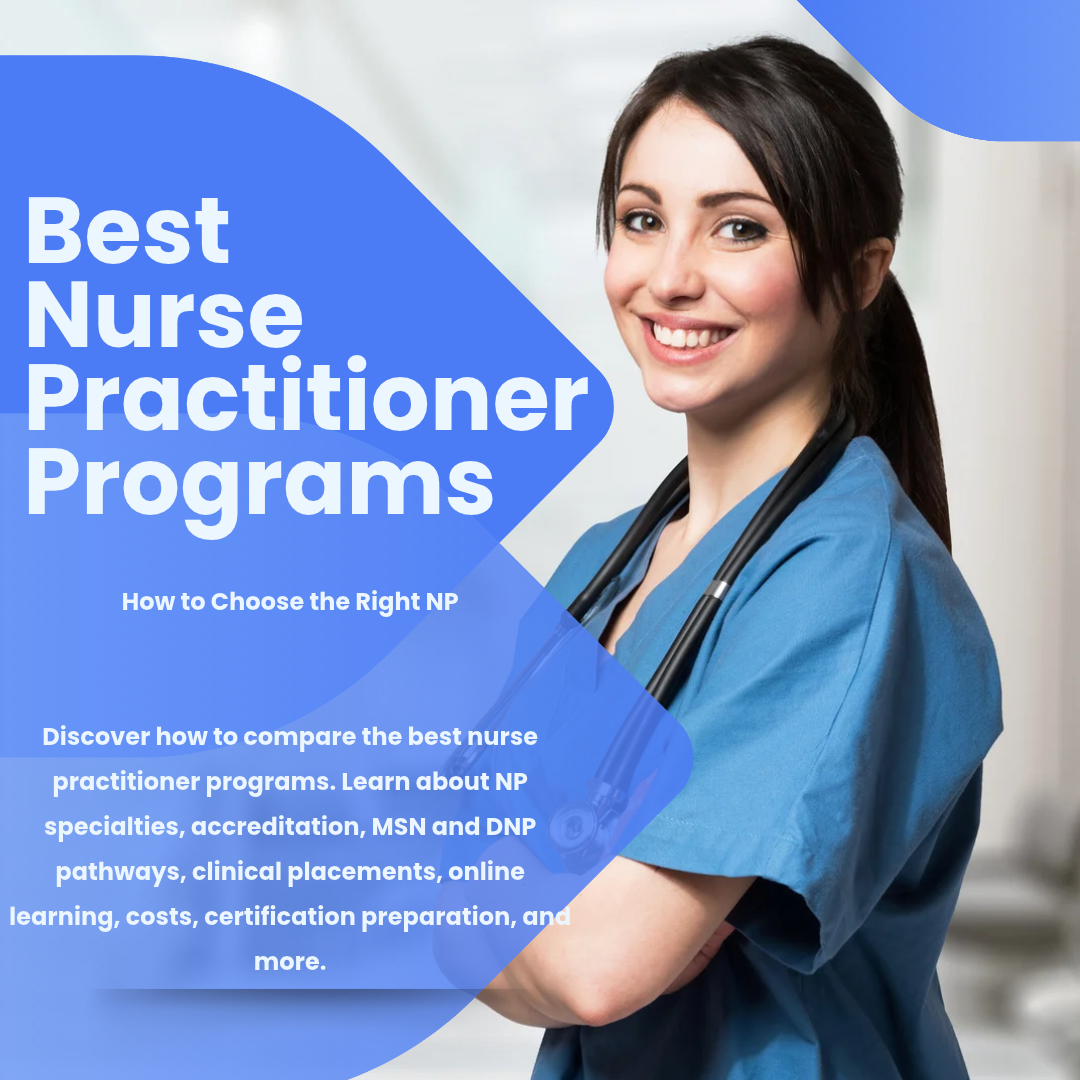
Discover how to compare the best nurse practitioner programs. Learn about NP specialties, accreditation, MSN and DNP pathways, clinical placements, online learning, costs, certification preparation, and more.
Preparing for nursing school involves more than submitting an application; many programs use the ATI Test of Essential Academic Skills, or TEAS, to assess whether applicants have the academic foundation needed for nursing education. This guide explains the role the TEAS exam plays in admissions and how schools may review results alongside transcripts, prerequisite grades, and other application materials. It introduces the four tested areas: Reading, Mathematics, Science, and English and Language Usage, helping applicants understand the knowledge and skills evaluated on the exam. Readers will also learn how the exam format and scoring process work, including the difference between meeting a minimum requirement and standing out as a competitive candidate. Because TEAS expectations vary by institution, the guide emphasizes checking each nursing program’s official score standards and policies. Special attention is given to Science, including anatomy and physiology, biology, chemistry, and scientific reasoning key subjects that support future coursework in pharmacology, pathophysiology, patient assessment, and clinical practice.